Source Titanium Microneedle Derma Stamp for Face, Beard, and Head
Find 30 titanium microneedle derma stamp options for facial rejuvenation, beard growth, and scalp care. Compare adjustable needle lengths, pin counts, and OEM capabilities to select the right tool for salon or home use; compare the available evidence and request quotations based on your requirements.
Key considerations
Products List


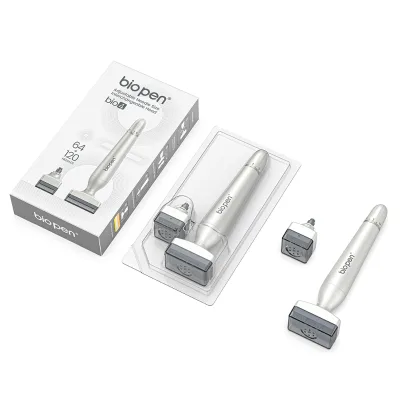
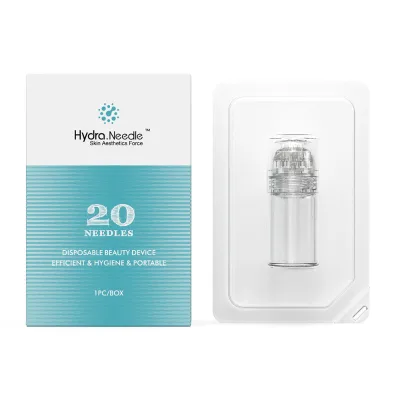


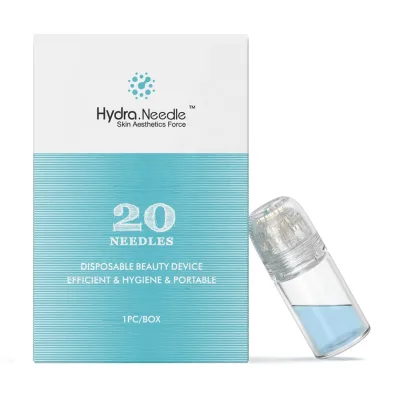


Comprehensive Sourcing Guide
Titanium Microneedle Derma Stamp Sourcing Guide
The titanium microneedle derma stamp represents a specialized category of microneedling devices designed for targeted skin rejuvenation and serum delivery. Unlike standard rollers, these stamps utilize a vertical pressing mechanism to minimize skin tearing, making them ideal for treating specific areas like the forehead, nose, and chin. Procurement teams must recognize that while the core function remains consistent, the needle configuration and handle materials vary significantly across listings, directly impacting clinical efficacy and user comfort.
Buyers should prioritize suppliers who explicitly define the needle material as titanium or high-grade stainless steel, as this distinction affects corrosion resistance and biocompatibility. The observed market data indicates a range of needle lengths from 0.25mm to 3.0mm, allowing for different treatment depths depending on the target area. Sourcing decisions must account for the specific application, whether for facial wrinkle reduction, hair growth stimulation, or cellulite treatment, ensuring the selected device aligns with the intended therapeutic outcome.
Product Scope and Observed Listing Signals
Current market listings reveal a diverse product scope ranging from single-item derma stamps to comprehensive rolling systems with replaceable heads. Buyers will encounter variations in needle quantity, with some units featuring 20 pins while others offer 140 pins for broader coverage. The observed product names include specific models like AR105 and YL, often paired with serum capacities between 8ml and 10ml, indicating a bundled approach to treatment that combines mechanical stimulation with topical absorption.
When evaluating listings, procurement specialists must verify the stated target areas, which frequently include the face, head, beard, and eyebrows. The presence of features such as anti-puffiness and blood vessel removal suggests advanced functionality, yet these claims require validation against the actual needle specifications. Additionally, the packaging format, often described as individual sealed packages or carton boxes, plays a critical role in maintaining sterility and ensuring the product arrives in a condition suitable for professional salon or home use.
Technical Specifications to Verify
The needle length is the most critical technical parameter, with observed ranges spanning from 0.25mm for superficial serum delivery to 1.5mm or 3.0mm for deeper tissue stimulation. Buyers must confirm the adjustable needle length capability, as some models offer a fixed length while others provide an adjustable mechanism ranging from 0 to 3.0mm. This specification directly dictates the depth of penetration and the safety profile of the device, necessitating precise verification before bulk ordering.
Handle construction and roller head design also demand rigorous scrutiny, with materials ranging from ABS plastic to stainless steel and titanium. The weight of the device, observed between 30g and 50g, influences user control during application, particularly for detailed work on the face or head. Furthermore, the presence of a replaceable roller head or a fixed needle array determines the long-term cost of ownership, as users must decide whether to replace the entire unit or just the needle component after extended use.
Compliance and Safety Documentation
Regulatory compliance is a non-negotiable aspect of sourcing medical-grade beauty equipment, with CE certification appearing as a standard requirement in the observed market data. Buyers must request valid certification documents that specifically cover the device's electrical and mechanical safety, ensuring the product meets the necessary standards for the target export markets. Without verified documentation, the risk of customs delays or market rejection increases significantly, potentially jeopardizing the entire supply chain.
Beyond general certifications, specific safety data regarding needle sterility and material biocompatibility must be obtained from the supplier. The use of titanium and stainless steel implies a need for proof of hypoallergenic properties, especially for devices intended for sensitive areas like the face and eyebrows. Procurement teams should also verify the warranty terms, which are commonly listed as six months, to ensure that the supplier stands behind the durability and safety of the needle assembly over the product's lifecycle.
Cost Drivers and Commercial Terms
Pricing in this category is highly variable, with observed ranges extending from $1.50 to $45.00 per unit, driven primarily by needle material quality, pin count, and the inclusion of serum components. Buyers must analyze the cost structure to understand whether the lower price points reflect basic stainless steel construction or if the higher tiers include premium titanium needles and advanced ergonomic handles. The minimum order quantity, ranging from 1 to 500 units, further influences the unit economics, requiring careful calculation of total landed costs.
Commercial terms such as OEM, ODM, and OBM capabilities are frequently offered, allowing buyers to customize branding and packaging to suit their specific market needs. The availability of logo support and individual sealed packaging adds value but may increase the base cost. Additionally, shipping methods like DHL, TNT, and FedEx impact the final price and delivery timeline, necessitating a clear agreement on Incoterms to manage logistics expenses and ensure timely arrival for salon or retail distribution.
Supplier Qualification and Quality Control
Supplier qualification should focus on their ability to provide consistent quality control for microneedle arrays, which are precision-engineered components. Buyers must verify the supplier's experience with OEM and ODM projects, as this indicates a capacity to meet specific customization requests regarding needle length, handle material, and packaging standards. The presence of a supply type that includes wholesale and agent options suggests a mature supply chain capable of handling varying order volumes without compromising product integrity.
Quality control protocols must extend to the final assembly, ensuring that the needle quantity and length match the specifications exactly. Given the direct contact with human skin, any deviation in needle sharpness or alignment can lead to adverse reactions, making pre-shipment inspection essential. Buyers should also assess the supplier's track record for maintaining the structural integrity of the handle and the replaceability of the roller head, as these factors determine the long-term usability and safety of the device.
Long-Term Procurement Checks
Sustaining a successful procurement relationship requires ongoing monitoring of product consistency and supplier responsiveness over time. Buyers should establish a schedule for periodic quality audits to ensure that the needle material and length specifications remain stable across different production batches. This vigilance is crucial because even minor variations in the manufacturing process can affect the device's performance and the safety of the end-user, particularly for professional salon applications.
Long-term checks must also include an evaluation of the supplier's ability to maintain inventory levels and manage lead times effectively. With observed lead times and shipping methods varying by carrier, procurement teams need to develop contingency plans to prevent stockouts during peak demand periods. Regular reviews of warranty claims and customer feedback will provide valuable insights into product durability, allowing buyers to make informed decisions about future orders and potential supplier diversification.
FAQs
What needle materials are used in titanium derma stamps?
The product uses titanium needles for durability and precision. Some variants also feature stainless steel needles. The handle is typically made of ABS plastic. This combination ensures a sturdy grip and effective skin penetration for various beauty treatments.
Can the derma stamp be customized for branding?
Yes, customization is available for this derma stamp. Suppliers support OEM, ODM, and private labeling services. Buyers can request specific logo placements or packaging designs. This allows businesses to create unique products for their target markets effectively.
What certifications does the titanium derma stamp hold?
The device holds CE certification for safety and compliance. This ensures it meets European health and quality standards. Buyers should verify specific documentation with suppliers. CE marking indicates the product is suitable for professional and home use in regulated markets.
How many pins does the standard derma stamp have?
The standard model features 140 pins for efficient treatment. This density allows for even serum application and skin stimulation. The replaceable roller head ensures hygiene and consistent performance. It is designed for targeted areas like the face, beard, and scalp.
What is the warranty period for this beauty device?
The warranty period is typically six months. This covers manufacturing defects and functional issues. Buyers should check specific terms with the supplier. The warranty supports long-term use in salons or home settings, ensuring product reliability.
Which target areas can the derma stamp treat?
The stamp is suitable for the face, head, beard, and eyebrows. It helps with skin rejuvenation and wrinkle reduction. The design allows precise application on smaller areas. It is also used for hair growth stimulation and cellulite reduction on the body.